


Modern Community
4.73.11K Reviews
App Specs
- Version
- 1.31002.307496
- Updated On
- License
- Free
- Downloads
- 10,000,000+
- Developer
- Magic Tavern, Inc.
- Categories
- Casual
- Platform
- Android
Screenshots


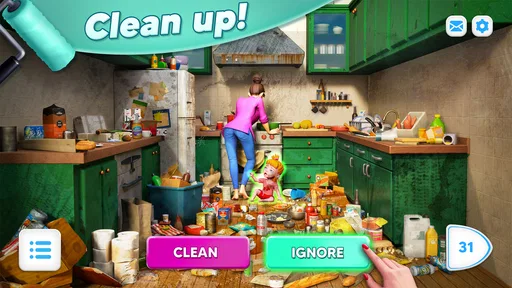



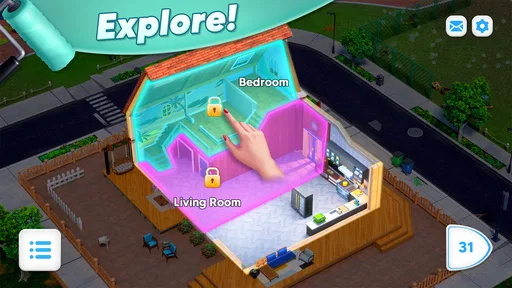
 Analysis by AppCompare
I think Modern Community makes most sense when I treat it as a shared-interest space, not as a replacement for every group chat or social app I use. That distinction matters in a household: one person may want to browse posts, another may be interested in arranging an event, and a third may simply be curious about a new hobby. The appeal is having community activity gathered around interests, while the practical question is whether everyone can use it in a way that suits them.
A shared space needs clear expectations
For a household trying the game together, I’d start by agreeing on what “shared use” means. A device passed from one person to another is different from several people using their own profiles, and I wouldn’t assume that one account is designed to represent a whole family. Before anyone posts or joins a group, decide whose name and opinions an account represents. That small conversation can prevent the awkward moment when a comment or event invitation is mistaken for someone else’s.
I’d also keep the first session low-pressure. Explore the kinds of communities that sound interesting, read a few posts, and see whether the atmosphere feels comfortable before sharing personal details or arranging to meet anyone. The most useful early test is not how many groups you can browse; it is whether the discussions feel worth returning to. If they do, you can decide together how much time and participation feels right.
Choosing a role before joining in
Not every person in a home needs to participate in the same way. One may enjoy writing comments, while someone else may prefer to read and pick up ideas. I like that a community app can accommodate both kinds of interest in principle, but I would not make quiet browsing feel like a failure to engage. In a shared setting, it is especially helpful to let each person choose their own level of visibility and involvement rather than treating the app as a group task.
That also gives you a sensible way to judge whether it belongs in your routine. If the household is looking for a place to coordinate chores, urgent messages, or school logistics, a dedicated calendar or messaging tool is usually clearer. If the goal is to discover people discussing shared interests and potentially organize a community event, this is a more natural fit. The distinction keeps expectations realistic and helps avoid asking one app to do a job it was not chosen for.
What the community format is good for
I find the community format most useful when a household wants to explore an interest without turning it into another obligation. In this section, I’ll look at how browsing can lead to a practical idea or a plan, and where a community space fits better than a chat or specialist forum.
From casual browsing to a real plan
A realistic use case might be a quiet evening when one person looks up a hobby they have been considering and finds a group discussing practical ideas. They can read first, save the idea mentally, and later decide whether to take part. If the interest grows into a gathering, the event tools described in the app’s experience can help move the conversation toward a plan. I’d still confirm important details directly with the people involved; an event page is useful for organizing, but it does not replace clear communication about where to meet or what to bring.
Worth Reading Before You Choose

EA SPORTS FC Mobile 26 Is a Bigger Football Game, but It Takes Time

Flipboard Shows What News Apps Must Do Beyond the Feed

Switching to Android Auto Means Rethinking Your Driving Routine

Google Calendar Makes a Crowded Week Easier to Manage

Ludo King Makes the Most of the Minutes Between Plans

Baby Panda World Brings Quick Play to Modern Phones, but Its Game Library Feels Busy
A useful habit is to browse with a question in mind rather than scrolling without direction. For example, someone curious about urban gardening could look for advice on starting small, then compare suggestions across posts before buying anything. That makes community content more actionable and reduces the chance of treating one member’s opinion as universal advice. It is a modest but worthwhile way to get value from interest-based discussions without turning every casual suggestion into a commitment.
Where it sits beside familiar alternatives
Compared with a general social feed, the community focus gives a conversation a clearer subject: you are more likely to enter because a topic interests you, rather than because it appeared in a broad stream of updates. Compared with a direct-message group, a community can be a better place to discover people beyond the contacts already in your phone. But for a small group that needs fast, private coordination, a familiar chat app is usually more efficient. And if you want a focused tool for one hobby, a specialist forum may offer deeper knowledge than a broad community app.
I see the trade-off as discovery versus control. A wider community can introduce unexpected interests and perspectives, while a private group gives you a tighter boundary and a more predictable audience. Neither is automatically better. If I were arranging a sensitive family matter, I would choose a private channel; if I wanted to explore a topic and see what other people are discussing, I would be more open to a community space.
Participation works best with a little restraint
One non-obvious tip is to take a moment before posting to check whether a comment belongs in the group you are viewing. A post that makes sense in a hobby discussion may feel out of place in a different community, and a little context can make replies more useful. I’d also avoid sharing identifying details simply to make an introduction feel friendly. A profile can communicate interests without turning into a public directory of someone’s routine.
Another practical trade-off is that participating creates its own workload. Joining a group can mean keeping up with replies, deciding whether to attend events, and managing notifications or invitations. I’d begin with a small number of communities and see which ones actually earn attention. If the feed starts to feel like another stream of obligations, stepping back or narrowing participation is more sensible than trying to follow everything.
Who may want a different kind of app
This will suit people who enjoy interest-led conversation, like discovering unfamiliar subjects, or want a path from online discussion to an organized gathering. It may also work for a household where different members have separate interests and can explore them independently. On the other hand, anyone looking mainly for a private family calendar, a simple group messenger, or a tightly focused reference library may be happier with a tool built specifically for that purpose.
I would be cautious about recommending it to someone who dislikes social interaction or expects every group to be consistently active and useful. Community spaces depend on the people taking part, so the quality of the experience can vary from one topic to another. The best approach is to sample a discussion before investing much time, then stay only where the conversations feel welcoming and relevant.
Age, trust, and household boundaries
The game carries an Everyone age classification, which gives a useful broad age context, but I would not treat that label as a substitute for household judgment. Community interaction involves other people’s posts and conversations, so younger users may still benefit from an adult talking through what is appropriate to share and how to respond to strangers. I would keep that conversation practical rather than alarming: personal contact details stay private, and an invitation to meet deserves careful discussion with a trusted adult.
For a shared device, I would make the account boundary explicit before anyone uses it. If different people take turns on the same profile, they may see one another’s activity or unintentionally speak under the wrong identity. Separate use is easier to understand when each person knows which profile is open and signs out or hands the device over deliberately. I would not assume the app provides household controls; the reliable safeguard is an agreed routine and supervision suited to the people using it.
Cost and commitment in everyday use
The game is free to download, with in-app purchases priced from $0.99 to $99.99 per item. For a household, that range is a reason to talk about purchases before anyone taps through a prompt, especially if a device or payment method is shared. I would check what a purchase is for and whether it is necessary to the way the person wants to use the app rather than treating every offer as part of getting started.
Its scale may also help set expectations: it has over 5 million installs and an average rating of 4.8 from around 125,000 ratings. Those figures suggest broad interest, but they cannot tell me whether a particular community will suit my household or whether its discussions match our interests. I’d use them as context, then make the decision based on the actual groups and the comfort level of the people who will be using it.
Magic Tavern, Inc. developed this casual game, released on March 4, 2024. It is free, rated Everyone, and supports Android 6.0 or later; the current version is 1.24002.253814. I would check that a household device meets the operating-system requirement before planning to install it. Those basics are straightforward, but the more important decision is still whether an interest-based community space is what everyone wants.
My household verdict is that Modern Community is worth considering for curious people who want to explore shared interests and possibly turn a discussion into an event. I would introduce it with clear account boundaries, modest expectations, and a conversation about spending and personal information. It is not my first pick for urgent coordination or private family business, but for browsing topics and finding a community around a hobby, it offers a more focused alternative to an all-purpose social feed. If that is the kind of connection you want, I’d give it a try and let the quality of the communities—not the promise of endless activity—decide whether it earns a place in your routine.
First Impressions
When I first opened the app, I was greeted with a sleek and intuitive interface. The design is modern, just like the name suggests, and navigating the app feels like a breeze. It’s like walking into a well-organized café where everything is just where it should be. You’re not going to get lost here, folks!
Setting Up Your Profile
Getting started is refreshingly simple. After a quick sign-up process, which you can do with an email or through social media accounts, you're ready to create your profile. Here, you can add a profile picture, write a snazzy bio, and even list your interests. The app uses this info to suggest communities and events you might like. It’s like having a personal assistant who knows what you’re into!
Exploring Communities
This is where the magic happens. The app offers a plethora of communities to join. Whether you’re into cooking, tech, travel, or something more niche, there’s a space for you. The search function is robust, allowing you to filter by interests, popularity, and even location. I found myself exploring groups I never knew I’d be interested in, like urban gardening. Who knew?
Engaging with Content
Once you're in, you can start engaging with content. Posts are varied, from insightful articles to quick tips and memes. You can like, comment, and share posts, creating a lively and interactive environment. It’s like a blend of your favorite social media platforms but with a focus on community and shared interests.
Creating and Hosting Events
One of the standout features for me was the event creation tool. Whether you’re planning a virtual book club meeting or an in-person meetup, the app makes it seamless to organize. You can set details, invite members, and even handle RSVPs all within the app. It’s the perfect tool to bring your online connections into the real world.
Privacy and Security
Of course, we all care about privacy these days, and the app takes this seriously. The settings allow you to control who sees your profile and posts. Plus, there’s a robust reporting system to handle any unwanted interactions. It’s nice to know you’re in a safe space!
Overall Experience
After spending some quality time with the app, I can genuinely say it’s a fantastic choice for those looking to connect over shared passions. The app is not just about finding communities; it's about fostering genuine connections and discovering new interests along the way. Whether you’re a social butterfly or a quiet observer, there’s something here for everyone.
If you’re ready to dive into a world of new experiences and meet some cool people along the way, give it a try. You might just find your new favorite hangout spot in the digital world!
Pros
- User-friendly interface for easy navigation.
- Comprehensive community features.
- Regular updates enhance app functionality.
- Seamless integration with social media.
- Strong privacy and security measures.
Cons
- Occasional in-app advertisement pop-ups.
- Limited offline functionality.
- Requires a stable internet connection.
- Some features are paywalled.
- Initial setup can be time-consuming.
FAQs for Modern Community
What is Modern Community and what does it offer?
Modern Community is a dynamic social networking app designed to connect users with like-minded individuals. It offers features such as customizable profiles, themed discussion groups, event planning tools, and real-time chat. The app aims to foster vibrant communities around shared interests, making it easier for users to find and engage with people who have similar passions.
Is Modern Community available on both Android and iOS?
Yes, Modern Community is available for download on both Android and iOS platforms. Users can easily find it on Google Play Store for Android devices and the Apple App Store for iOS devices. The app is optimized to provide a seamless user experience across different mobile devices, ensuring accessibility for a wide range of users.
Are there any in-app purchases or subscription fees for Modern Community?
Modern Community offers a free version that includes the core features needed to connect and interact with others. However, there are optional in-app purchases and subscription plans that unlock premium features such as advanced customization options, ad-free browsing, and exclusive access to certain groups and events. Users can choose a plan that fits their needs and budget.
How does Modern Community ensure user privacy and data security?
User privacy and data security are top priorities for Modern Community. The app employs robust encryption methods to protect user data and has strict privacy policies in place. Users have control over their privacy settings, allowing them to decide what information they share and with whom. Regular updates are also implemented to address potential security vulnerabilities.
Can I use Modern Community to organize real-life events?
Absolutely! Modern Community includes tools designed for event planning and management. Users can create event pages, invite members, and manage RSVPs directly through the app. This feature is particularly useful for those looking to organize meetups, workshops, or social gatherings, making it easier to bring online communities together offline.


